What to Do If Your Rental Car Breaks Down on the Road
Experiencing a breakdown while driving a rental car can be an unexpected and stressful situation. However, knowing the proper steps to follow can make the process more manageable and reduce potential complications. The key is to remain calm, prioritize safety, and systematically address the issue by contacting the appropriate services, documenting the incident, and coordinating with the rental company for a replacement vehicle. This article outlines a clear, step-by-step approach to handling a rental car breakdown, focusing on practical actions and considerations.
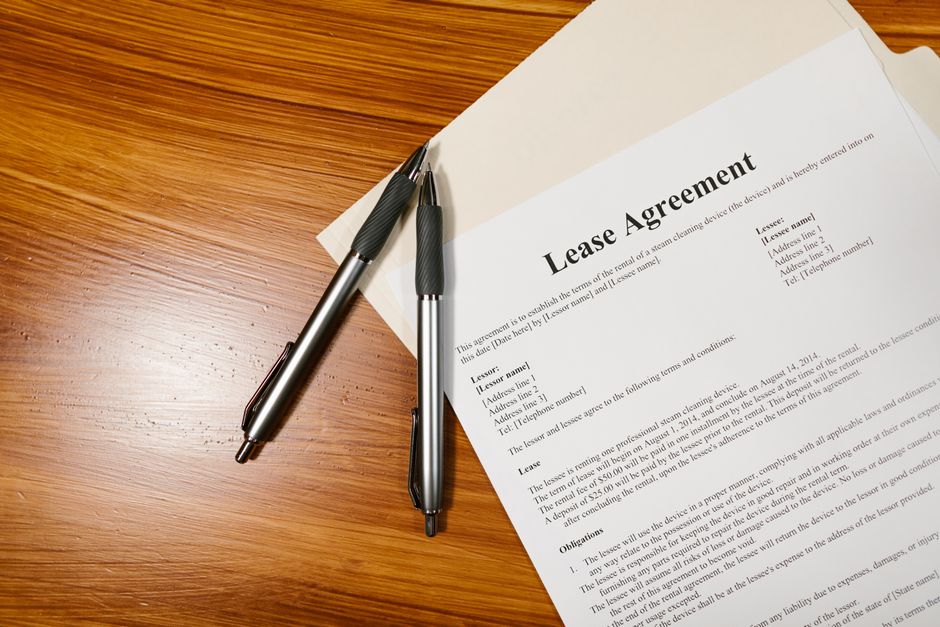
Rental vehicles are generally well-maintained, but mechanical failures can still occur due to various factors such as tire punctures, battery issues, or engine problems. The rental agreement typically includes information about roadside assistance and emergency procedures. Understanding these details before a breakdown occurs can help travelers respond more effectively. The following sections cover the essential actions to take from the moment the vehicle shows signs of trouble through to returning to the road with a replacement car.
Safety First: Securing Your Vehicle and Surroundings
When a rental car begins to show signs of a mechanical issue, the immediate priority is to move the vehicle to a safe location whenever possible. If the car is still drivable, activate the turn signal and gradually reduce speed, moving toward the right shoulder or a designated emergency lane. Avoid stopping in the middle of traffic lanes, on curves, or near intersections. If the vehicle cannot move, turn on the hazard lights immediately to alert other drivers. Once stopped, engage the parking brake and remain inside the vehicle with seatbelts fastened, especially on busy highways or during low visibility conditions.
After ensuring the vehicle is secure, assess the surrounding environment before exiting. If it is safe to do so and help is expected within a reasonable time, staying inside with doors locked is generally recommended. In situations where the vehicle is in a dangerous location, such as a high-speed freeway with no shoulder, it may be necessary to exit carefully and move to a safe area behind a barrier. The decision should be based on the specific road conditions, weather, and traffic flow. The rental company or roadside assistance provider will provide guidance on next steps once contact is made.
Contacting Roadside Assistance: Step-by-Step
Once the vehicle is in a safe position, the next step is to contact the roadside assistance service associated with the rental. Most major rental companies, including RoadReady Rentals, include 24/7 roadside assistance as part of the rental agreement. The phone number is typically listed on the rental contract, on a sticker inside the glove compartment, or in the rental company’s mobile application. Before calling, gather relevant information such as the exact location (use GPS coordinates or nearby landmarks), the rental agreement number, the vehicle make and model, and a description of the problem.
When speaking with the assistance operator, provide clear and concise details about the issue. The operator may ask about warning lights, unusual sounds, or fluid leaks. Based on the description, they will dispatch a tow truck, a mechanic, or provide instructions for a self-service repair if the issue is minor, such as a flat tire. It is important to note that some rental companies, including RoadReady Rentals, may have specific procedures for certain types of breakdowns, such as requiring authorization before any repairs are performed. Keep a record of the call, including the operator’s name and the case or reference number assigned to the incident.
Documenting the Breakdown for Insurance and Rental Records
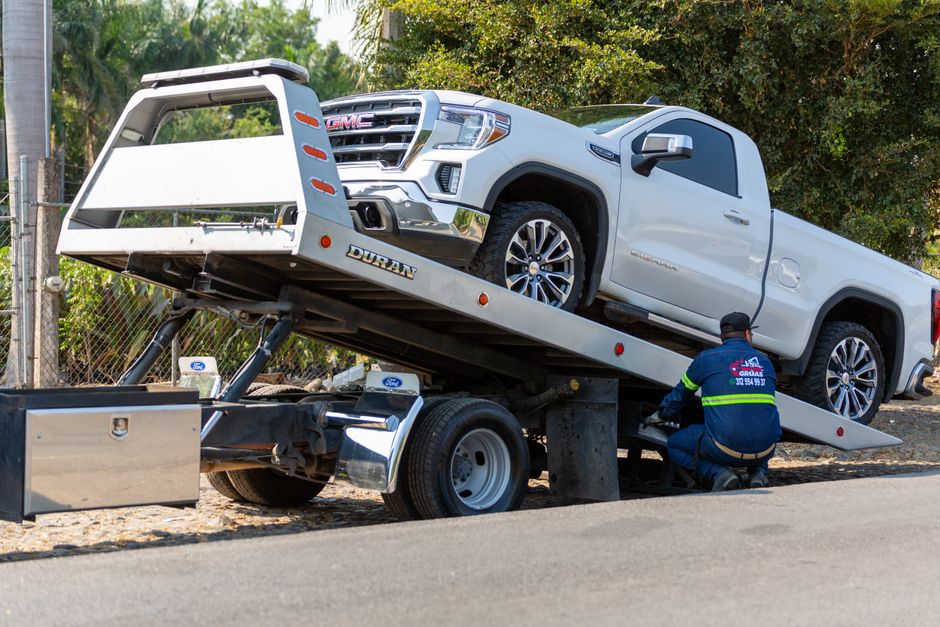
Proper documentation of the breakdown is essential for insurance claims, rental company records, and potential liability assessments. As soon as it is safe to do so, take clear photographs of the vehicle from multiple angles, including the location where the breakdown occurred, any visible damage, the vehicle’s dashboard showing warning lights, and the surrounding road conditions. If the vehicle was towed, photograph the tow truck and the vehicle’s condition before it is loaded. These images serve as objective evidence of the situation.
Additionally, note the time, date, and weather conditions at the moment of the breakdown. If there were any witnesses, obtain their contact information if possible. Keep copies of all relevant documents, including the original rental agreement, the roadside assistance call log, and any receipts for expenses incurred, such as towing fees or alternative transportation. The rental company may require these to process the incident. Avoid making any statements about the cause of the breakdown to third parties, as this should be determined through the official investigation or assessment by qualified mechanics.
Arranging a Replacement Vehicle with RoadReady Rentals
After the immediate safety concerns are addressed and roadside assistance has been dispatched, the process of arranging a replacement vehicle typically begins. In many cases, the roadside assistance team will coordinate directly with the rental company to determine the best course of action. For example, RoadReady Rentals may approve a tow to the nearest service center or to a location where a replacement vehicle is available. The traveler should not assume a replacement will be provided automatically; clear communication with the rental company is necessary.
When contacting the rental company, have the rental agreement number and the breakdown case reference ready. The customer service representative will verify the details and explain the options. Depending on the situation, the company may offer a free replacement vehicle if the breakdown was due to a mechanical fault, or they may provide options for upgrading or extending the rental. Travelers should ask about the availability of a replacement car at the current location or nearby branches. If the breakdown occurs far from the original rental location, the company may arrange for a vehicle drop-off or offer alternative transportation such as a taxi or ride-sharing service, with reimbursement procedures specified in the rental terms.
It is also important to clarify the process for returning the damaged or broken-down vehicle. Some rental companies, including RoadReady Rentals, may require the traveler to sign a damage waiver or incident report. Once the replacement vehicle is secured, carefully inspect it for any pre-existing damage and document its condition before driving away. The original rental contract may need to be amended or a new one issued, so review all charges and terms before signing.
Understanding Your Financial Responsibilities and Coverage
The financial implications of a rental car breakdown can vary based on the terms of the rental agreement and the traveler’s insurance coverage. Most rental companies offer optional protection plans, such as Collision Damage Waiver (CDW) or Loss Damage Waiver (LDW), which may reduce or eliminate liability for certain types of damage. However, mechanical breakdowns that are not caused by the renter’s negligence are typically covered by the rental company’s own maintenance obligations. This means the renter may not be responsible for the cost of repairs or towing in many standard breakdown scenarios.
Despite this, there are situations where costs may arise, such as if the breakdown is determined to be caused by misuse (e.g., using incorrect fuel) or if the vehicle is taken off-road against policy. Travelers should review their personal auto insurance policy and credit card coverage before renting, as these may provide additional protection or reimbursement for expenses like towing or temporary transportation. The rental company’s terms and conditions outline the process for filing claims and the documentation required. It is advisable to keep all records organized and to follow the company’s instructions for submitting claims. In the event of any charges, the renter can request a detailed explanation and dispute any fees that appear inconsistent with the agreement.